


Contractor bathroom essentials list: UK trade guide
Every contractor bathroom essentials list starts with the same core kit: WC, basin, bath or shower tray, thermostatic shower valve, towel radiator, extractor fan, tanking kit, cement backer boards, wastes and trap fittings, and an RCD-protected shower circuit. Pack those first. Before anything goes on site, cross-check IP ratings on all electrical fittings, confirm WRAS approval on water fittings where required, and verify the boiler can handle the specified flow rate. Building Regulations Part P covers electrics, G3 governs unvented hot-water systems, and any gas work needs a Gas Safe-registered engineer. Simcodirect stocks trade-grade towel radiators, electric panel heaters, and hand dryers that slot directly into this kit.
Pro Tip: Print this checklist and tape it inside the job folder. Tick each item at first-fix and again at second-fix. It takes two minutes and prevents the call-back that costs two days.
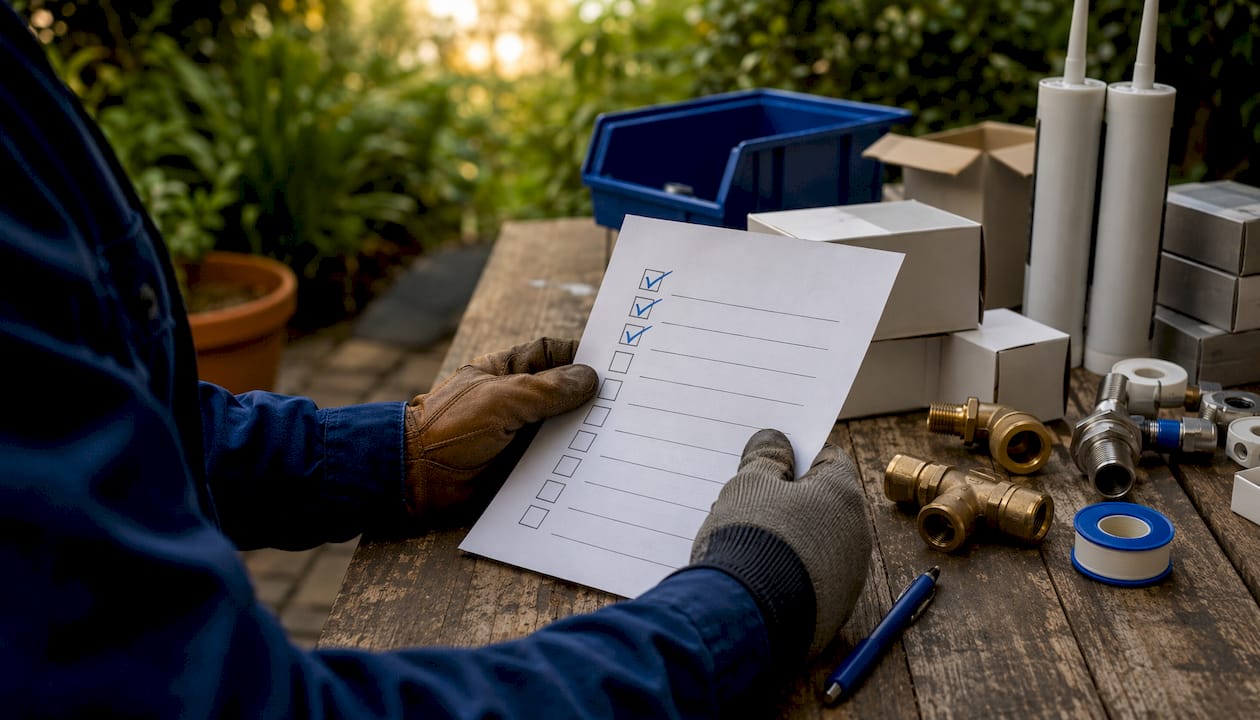
Table of Contents
- What does a complete contractor bathroom essentials list cover?
- When do you need to up-spec the boiler or add an unvented cylinder?
- What UK regulations must contractors meet in a bathroom?
- Which tools and consumables should every contractor have on site?
- What do UK bathroom renovations typically cost and how long do they take?
- How do you specify materials that reduce call-backs?
- What should contractors check before and after handover?
- Simcodirect: trade-grade bathroom heating and accessories
- Key takeaways
- A contractor’s honest view on what actually goes wrong
- Useful sources and documentation for the handover pack
What does a complete contractor bathroom essentials list cover?
A thorough bathroom installation materials list breaks down into nine categories. Miss one and you are back on site.
Sanitaryware
Specify rimless, close-coupled or back-to-wall WCs with concealed cistern frames for cleaner finishes. Basin sizes typically run 450–600 mm; choose overflow or no-overflow depending on the waste spec. Bath or shower tray must match the waste position confirmed at first-fix.
Shower and bath fittings
Thermostatic shower valves are non-negotiable on any job with children or elderly users. Digital or power showers in Zone 1 require a minimum IP45 rating; Zone 0 fittings need IP67. Confirm minimum dynamic pressure (usually 0.1–1.0 bar depending on valve type) before ordering.
Waterproofing and substrates
Tanking kits, cement backer boards (minimum 6 mm for walls, 12 mm for floors under heavy tile), and waterproof tape for all joints and corners. Always insist on a written tanking guarantee from the manufacturer.
Electrics and ventilation
RCD-protected dedicated shower circuit, IP-rated downlights by zone, shaver socket (minimum 3 m from bath or shower per Electrical Safety First), and a mechanical extractor fan with overrun timer.
Heating
Towel radiators (central heating, electric, or dual-fuel), panel radiators, and underfloor heating mats where the floor build-up allows. See the Simcodirect product examples in the promo section for specific trade options.
Drainage and plumbing essentials
110 mm soil pipe where the WC moves, 40 mm waste for basin and bath, 50 mm for shower trays, isolation valves on every supply, and push-fit or compression fittings to suit the pipework type on site.
Tiling and finishes
C2 flexible tile adhesive, flexible grout, silicone sealant, tile trims, and tile spacers. For wet rooms, specify non-slip tiles rated R10 or above.
Accessories
Toilet roll holder, towel hooks or rings, mirror, shelving, and soap dispenser. For commercial builds, the commercial washroom checklist from Simcodirect covers the full accessory scope.
| Category | Key items | Trade spec note |
|---|---|---|
| Sanitaryware | WC, basin, bath/tray | Rimless WC; confirm waste positions |
| Waterproofing | Tanking kit, backer boards | Written guarantee required |
| Electrics | RCD circuit, IP fittings, extractor | Zone-rated; Part P certified |
| Heating | Towel radiator, panel rad, UFH mat | Match output to room heat loss |
| Drainage | Soil pipe, wastes, traps, isolation valves | Confirm falls before boarding |
When do you need to up-spec the boiler or add an unvented cylinder?
The fixture list drives the hot-water spec, not the other way round. High-flow rainfall heads, body jets, or two simultaneous draws will overwhelm a standard combi boiler. When that is the case, a system boiler paired with an unvented cylinder under Approved Document G3 is the correct route. G3 also requires the hot-water supply to any fixed bath to be limited to a maximum of 48°C.
Key trade items for heating and hot water:
- Towel radiators sized to the room’s heat-loss calculation, not just aesthetics
- Thermostatic radiator valves (TRVs) on all radiators except the one in the room with the room thermostat
- Scale inhibitor or water softener on hard-water supplies (particularly relevant across much of southern England)
- UFH kits: electric mats at 150–200 W/m² under tile; insulation board beneath to prevent downward heat loss
- Pressure-reducing valve and expansion vessel on unvented systems
Pro Tip: During the site survey, run the hot tap and note how long it takes to reach temperature and whether pressure drops when a second outlet opens. That test alone tells you whether the existing boiler can handle the new spec.
Fixture choice should dictate boiler and cylinder selection; retrofitting an unvented cylinder after tiling is a costly mistake.
What UK regulations must contractors meet in a bathroom?
Building Regulations Part P requires all notifiable electrical work in bathrooms to be carried out or certified by a registered competent person (NICEIC, NAPIT, BESCA, or similar). Work that is not self-certified must be inspected by a registered third party or Local Authority Building Control.
Compliance checklist:
- Zone 0 (inside the bath or shower tray): IP67 minimum; no switches
- Zone 1 (above the tray to 2.25 m): IP45 minimum; SELV only
- Zone 2 (0.6 m outside the tray): IP44 minimum; shaver sockets permitted
- Part F ventilation: mechanical extraction required; extractor sizing and overrun must meet the extraction rate for the room volume
- G3 unvented systems: installation and commissioning by a BPEC or manufacturer-trained engineer; completion certificate required
- Gas Safe: any gas boiler work requires a Gas Safe-registered engineer
- WRAS: water fittings in contact with drinking water should carry WRAS approval
LABC guidance confirms that electrical work in bathrooms falls under Part P and must be notified or self-certified. Keep all certificates with the handover pack.
Pro Tip: Ask the electrician for the Electrical Installation Certificate before you tile. If it is not issued, the job is not compliant, and the client cannot sell the property without it.
Which tools and consumables should every contractor have on site?
Missing a basin spanner on day two of a second-fix costs half a day. Pack these before leaving the yard.
Tools:
- Tile cutter (manual or electric wet saw) and tile nippers
- Pipe cutters (15 mm and 22 mm), pipe bender
- Basin spanner and adjustable wrenches
- Multimeter and RCD tester
- Impact driver, SDS drill, and a full set of drill bits including diamond core bits
Consumables:
- C2 flexible tile adhesive (grey and white)
- Rapid-set floor screed or self-levelling compound
- Full tanking kit (liquid membrane, tape, and corner pieces)
- Neutral-cure silicone (sanitary grade)
- Tile trims and spacers (2 mm and 3 mm)
- Isolation valves, compression fittings, PTFE tape
- Spare wastes, traps, and overflow fittings
- Fixings: stainless screws, wall plugs, and frame fixings for cistern frames
Pro Tip: Batch consumables per bathroom into labelled boxes before the job starts. One box per room means no hunting across the van for a single isolation valve, and it makes stock reconciliation straightforward at the end of the project.
What do UK bathroom renovations typically cost and how long do they take?
Materials and fixtures commonly account for 40–60% of a bathroom renovation budget. Labour makes up the rest. Use these bands as a starting point for quoting.
| Scope | Typical cost range | Notes |
|---|---|---|
| Basic refit | £4,000–£8,000 | Suite swap, retile, new fan |
| Mid-range refit | £4,000–£8,000 | Layout changes, new heating, quality tiles |
| Wet-room conversion | £5,000–£12,000 | Continuous tanking, floor falls, linear drain |
| Tanking only | £1,000–£3,000 | Materials and labour |
| Electric UFH mat | £350–£650 | Must go in before floor tiles |
A standard full refit runs roughly 7–10 working days: strip-out (1 day), first-fix plumbing and electrics (2 days), boarding and tanking (1–2 days, plus 24–48 hours cure time), tiling (2–3 days), second-fix and commissioning (1–2 days). A wet room requires continuous tanking and correct floor falls of 10–20 mm per metre; never compress the tanking cure time to recover programme.
How do you specify materials that reduce call-backs?
The finish spec is where contractors win or lose repeat business. Porcelain tiles (R10+ rated for wet areas), waterproof luxury vinyl for lower-risk zones, and marine-grade stainless fittings all outlast cheaper alternatives by years. Low-VOC bathroom paint resists mould without the harsh smell during application.
For hard-water areas, specify anti-limescale shower heads and advise the client to fit an inline scale inhibitor. Collect at handover: tanking guarantee, manufacturer warranties for all sanitaryware and fittings, WRAS approval documents, and IP rating datasheets for every electrical item. Upgrading pipework and wiring at the time of the refit avoids a return visit within five years.
Pro Tip: Put together a one-page maintenance card for the client: how to re-silicone the bath joint, who to call for the towel radiator warranty, and the recommended cleaning product for the tile finish. It takes 20 minutes to write and prevents a dozen unnecessary call-backs.
What should contractors check before and after handover?
First-fix sign-off (before boarding and tiling):
- Pipe routes confirmed, isolation valves accessible
- Electrical cables routed and clipped clear of tile fixing zones
- Extractor duct run confirmed with correct falls to outside
- Floor falls checked and waste positions set
- Tanking applied, cured, and inspected
Second-fix commissioning:
- Water pressure test on all supply and waste connections
- Shower shroud test (run shower for 10 minutes, inspect for leaks)
- RCD test and Electrical Installation Certificate issued
- Extractor airflow test (target extraction rate met with overrun confirmed)
- Full leak test on wet areas before client walk-round
Rapid-set adhesives and correct tanking cure times are critical; schedule pressure is the most common reason contractors skip the cure window and create a defect that surfaces six months later.
Pro Tip: Never tile before first-fix plumbing and electrical work is signed off. Hiding a routing mistake behind tiles is the most expensive error on any bathroom job.
Attach all certificates, datasheets, and warranties to a handover folder and walk the client through it. That folder is also your evidence if a dispute arises.
Simcodirect: trade-grade bathroom heating and accessories
Contractors sourcing heating and washroom products need a supplier with stock depth, fast despatch, and a returns policy that does not penalise trade orders. Simcodirect delivers on all three, with a 30-day returns policy and a catalogue that covers towel radiators, electric panel heaters, and commercial hand dryers in a single order.
For heated towel rails, the Titan Chrome Straight Towel Radiator suits standard central heating systems, while the Platinum Chrome Electric Curved Towel Radiator covers rooms without a central heating connection. The Dimplex Q-Rad RF Panel Radiator brings smart electric heating to bathrooms where gas is not an option, and the Dimplex TTR Electric Towel Radiator is a clean, straightforward fit for straightforward installs. For commercial washrooms, the UltraDry Pro 1 Hand Dryer and the Biodrier Executive Hand Dryer both meet trade performance standards. Browse the full range at simcodirect.co.uk and contact the team directly for trade pricing on multi-unit orders.
Key takeaways
A complete contractor bathroom essentials list covers sanitaryware, waterproofing, heating, electrics, ventilation, drainage, and consumables, with Part P, G3, and Gas Safe compliance non-negotiable at handover.
| Point | Details |
|---|---|
| Pack the core kit first | Sanitaryware, tanking kit, backer boards, RCD circuit, extractor fan, and towel radiator before anything else. |
| Up-spec hot water early | High-flow or multi-outlet showers need a system boiler and unvented G3 cylinder; decide at survey, not on site. |
| Comply with Part P and Part F | All bathroom electrical work must be certified by a registered competent person; extractor sizing must meet Part F extraction rates. |
| Never rush tanking cure | Allow 24–48 hours minimum cure time before tiling; compressed schedules are the leading cause of wet-room failures. |
| Simcodirect for trade heating | Towel radiators, electric panel heaters, and hand dryers available with fast despatch and a 30-day returns policy. |
A contractor’s honest view on what actually goes wrong
The compliance paperwork rarely causes problems on site. What causes problems is sequence: contractors who tile before first-fix sign-off, or who compress the tanking cure to hit a handover date. Both decisions look fine for six months, then they do not.
The other consistent failure is under-specifying the hot-water system at survey. A client who specifies a large rainfall head and a body-jet shower is describing a system boiler job, not a combi job. Catching that at the quote stage costs nothing. Retrofitting an unvented cylinder after the bathroom is tiled costs everyone.
Heating is where trade-grade products genuinely earn their keep. A chrome towel radiator from a budget clearance source looks identical in a photo and fails within two winters in a hard-water area. Specifying products with proper warranties and datasheets, the kind Simcodirect provides, means the handover folder has real documents in it, not a receipt from a trade counter.
Useful sources and documentation for the handover pack
Keep these references in every job folder.
Regulatory documents:
- Approved Document G (G3 unvented hot water, G5 bathrooms, water efficiency)
- Part P Building Regulations (electrical work in bathrooms)
- LABC guidance on when bathroom work needs Building Regulations approval
- NICEIC for competent person scheme registration and zone guidance
- Gas Safe Register for all gas boiler and heating work
- WRAS approval database for water fittings
Product documentation to collect:
- Tanking system guarantee (written, from manufacturer)
- Manufacturer warranties for all sanitaryware, fittings, and heating products
- WRAS approval certificates for water fittings
- IP rating datasheets for all electrical items
- Simcodirect product pages and datasheets for towel radiators and heaters
Plumbing, electrical, and waterproofing work must be completed by certified professionals to meet Building Regulations and to avoid concealed water damage that may not surface for months. Keep every certificate, datasheet, and guarantee in the client handover pack.